

In an ever more interconnected world, companies are constantly seeking ways to enhance their market position, especially in international trade. One creative approach growing in popularity is the establishment of Free Trade Warehousing Zones. These specialized areas not only enable the storage and management of goods but also offer substantial benefits, including tax advantages and streamlined customs procedures. As international markets evolve, understanding how these zones operate can provide companies with essential insights into enhancing their logistics and supply chain efficiency.
Free Trade Warehousing Zones act as pivotal hubs that connect the divide between manufacturing and distribution, making them appealing to importers and exporters as well as e-commerce businesses. With prospects for investment and growth, companies looking to enhance their operations can thrive in these zones. However, with significant opportunity comes the need for compliance with rules and an understanding of the challenges presented in this unique environment. This article delves into the key elements of FTWZs, analyzing their benefits, key features, and the prospects of international trade shaped by these dynamic centers.
ftwz free-trade-warehousing-areas">Benefits and Opportunities of Free Trade Warehousing Zones
Free Trade Warehousing Zones (Free Trade Warehousing Areas) offer multiple advantages for firms looking to grow their operations internationally. A primary key advantages is the reduction of import tariffs and taxes, which enables companies to keep merchandise without significant expenses. This financial efficiency makes FTWZ an attractive choice for companies seeking to improve their supply chains and boost profits. The potential to defer taxes until goods are sold or shipped to the domestic area facilitates enhanced cash flow management for businesses.
Additionally significant opportunity provided by Free Trade Warehousing Areas is the enhanced distribution competencies. With advantageously situated storage facilities, businesses can streamline their distribution channels and enhance delivery times. This proximity to important international trade routes supports streamlined transport and supply control, permitting companies to adapt rapidly to industry trends. Through tapping into innovative supply chain solutions provided in Free Trade Warehousing Zones, companies can markedly enhance their operational efficiencies and client satisfaction.
Furthermore, Free Trade Warehousing Areas foster an atmosphere conducive to innovation and collaboration. In the presence of a concentration of diverse businesses in a designated zone, companies can freely engage in alliances and exchange assets. This collaborative spirit often leads to the formation of unique business models and market opportunities. Additionally, the availability of a helpful regulatory framework supports companies handle compliance requirements efficiently, thereby boosting the attractiveness of Free Trade Warehousing Areas for trading firms.
Key Features and Compliance in Free Trade Warehousing Zones
Free Trade Warehousing Zones offer unique features that make them desirable for businesses engaged in international trade. One of the main characteristics is the ability to hold goods without paying customs duties until the products are imported into the national market. This capability allows companies to handle inventory more optimally, enabling enhanced planning and response to market demands. Additionally, these zones typically provide simplified customs procedures which further enhance the movement of goods in and out of the zone, improving overall operational efficiency.
Compliance is a critical factor for businesses operating within Free Trade Warehousing Zones. Companies must comply with specific regulations set by both local authorities and global trade pacts. This includes maintaining precise records of inventory and transactions, ensuring the correct handling of controlled goods, and adhering to safety and health guidelines. Leading businesses in these zones often invest in compliance training and comprehensive management systems to ensure they meet all legal requirements while maximizing the benefits of the zone.
Moreover, infrastructure plays a vital role in the operation of Free Trade Warehousing Zones. These zones are designed with cutting-edge logistics solutions, including sophisticated warehousing facilities equipped with advanced systems for inventory control and tracking. Accessibility to key transportation networks such as shipping docks and airports is also a important feature, as it enhances the ability to distribute products effectively. By selecting free trade zone Warehousing Zone with the right infrastructure and compliance support, companies can significantly improve their operational effectiveness and overall competitiveness in the international market.
Investment and Emerging Developments in Free Trade Warehousing Zones
As international trade continues to evolve, investments in Free Trade Warehouses are projected to rise considerably. These zones provide distinct benefits that draw in businesses looking to enhance their functional efficiency and cut costs. Investors are keen to take advantage of the tax advantages, simplified customs procedures, and optimal locations that Free Trade Warehousing Zones provide. The rise of e-commerce is particularly influencing investment trends, as businesses seek to optimize their supply networks and accelerate delivery times to meet consumer expectations.
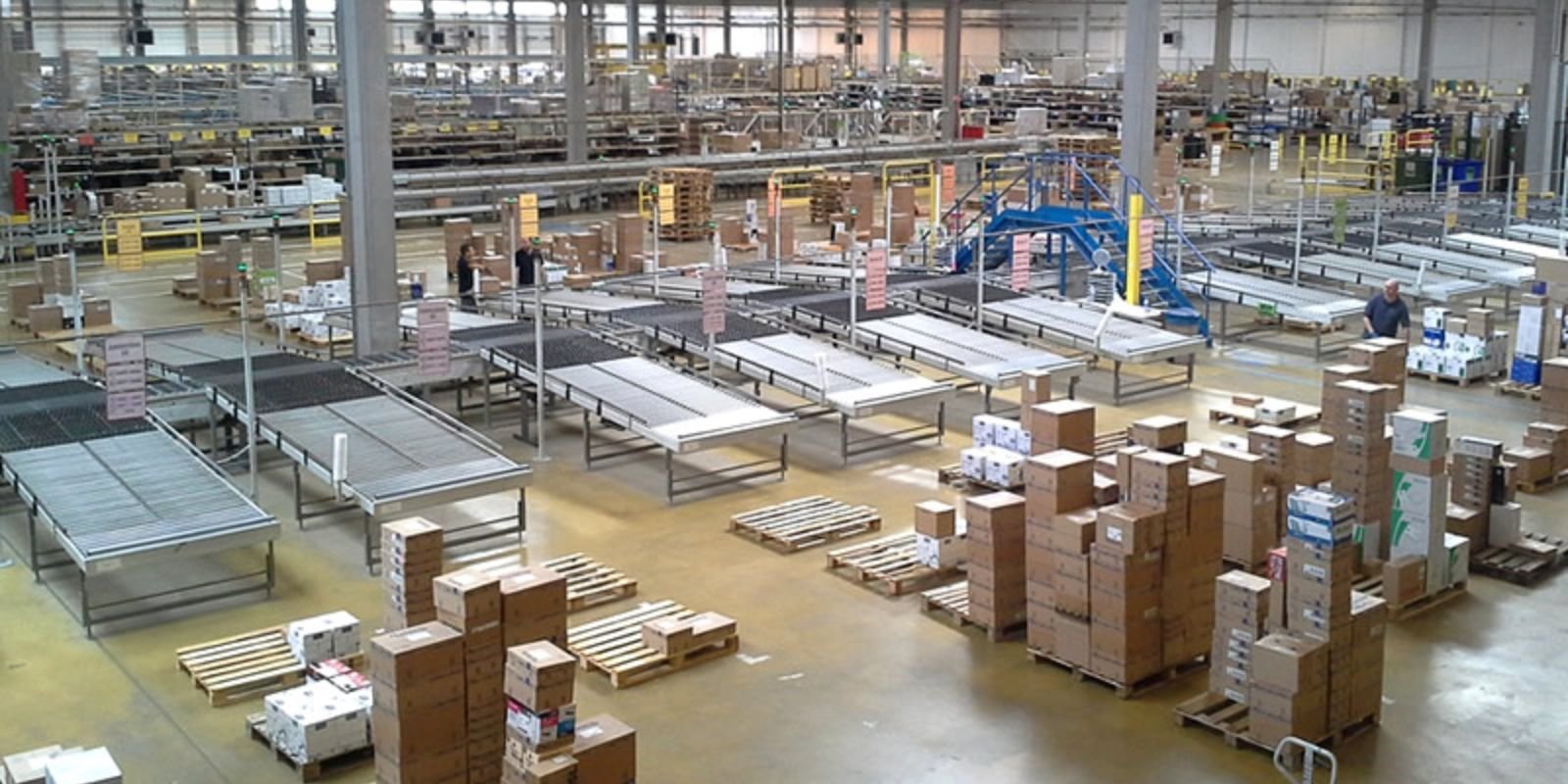
Emerging technologies are playing a crucial role in shaping the future of FTZ Warehousing Zones. Automation, AI, and data analytics are increasingly being utilized into storage operations. This tech-driven transformation not only enhances efficiency but also enables real-time inventory management and better decision-making processes. As businesses implement these technologies, Free Trade Warehouses are predicted to become more appealing and attractive for companies aiming to optimize their supply chain and storage functions.
Looking forward, the demand for FTZ Warehousing Zones is anticipated to increase, driven by the global market and the growing importance of supply chain robustness. Companies are realizing the benefits of being part of a FTZ Warehousing Zone to gain access to emerging markets and enhance their export potential. As economic environments shift, these zones will persist to evolve, presenting new investment opportunities and encouraging collaboration among global trade participants.