

Within the current quickly changing global economy, businesses are always seeking innovative ways to enhance their processes and grow their market reach. One particular opportunity lies in FTWZs, which serve as key centers for international trade. Such zones offer a distinctive blend of custom benefits, logistical efficiency, and tax incentives that can significantly upgrade a company's functional abilities. For importers, exporters, and e-commerce businesses alike, comprehending the advantages of setting up a presence in a FTWZ can reveal tremendous market potential.
The idea of Free Trade Warehousing Zones is designed to facilitate global trade by offering businesses with easy access to international markets. By successfully integrating warehousing and trade, these zones allow companies to import goods, keep them without paying duties, and send back out them as needed. This flexibility not only minimizes operational costs but also improves supply chain efficiency. As we explore further into the pros and features of Free Trade Warehousing Areas, we will explore how they contrast to SEZs, the compliance requirements, and the investment prospects they present for organizations looking to prosper in the challenging environment of international trade.
Benefits of Free Trade Warehousing Zones
Free trade zones offer significant advantages for businesses looking to boost their operational efficiency and minimize costs. custom bonded warehouse of the primary benefits is the elimination or lessening of customs duties and taxes on internationally sourced products. By keeping https://hedgedoc.info.uqam.ca/s/rZLRPxJuQ in these zones, companies can postpone customs duties until products are distributed to the domestic market, allowing for better cash flow and financial flexibility. This favorable tax environment fosters an attractive landscape for both local and global businesses seeking to increase their profit margins.
Another critical benefit lies in the improved logistics solutions offered within free trade warehousing zones. These zones are often tactically located near key transportation hubs, such as air terminals and seaports, which facilitates quicker shipping and distribution of goods. As companies increasingly rely on just-in-time inventory systems, the ability to efficiently manage stock levels and distribution channels becomes essential. Free trade warehousing zones typically boast advanced warehousing infrastructure, providing modern facilities and technology that enhance storage and distribution processes.
Moreover, the regulatory environment in free trade warehousing zones is designed to support international trade and investment. Companies operating in these zones enjoy easy customs procedures and reduced bureaucratic red tape, allowing for faster processing times and reduced delays. This efficient approach to compliance and regulations not only speeds up supply chain operations but also enhances total competitiveness in the international market. As international trade continues to evolve, the strategic advantages offered by free trade warehousing zones become increasingly valuable to companies aiming to expand their reach and optimize growth potential.
Tax Advantages and Compliance
One of the main benefits of working within a FTWZ is the significant tax advantages it gives businesses. Businesses benefit from eliminated duties on imports and exports, allowing them to save on expenses associated with global commerce. Additionally, many countries extend tax incentives to businesses that establish operations in these zones, further enhancing financial performance. These tax benefits empower companies to invest more in their development and expansion, ultimately stimulating the community.
Conformance and regulations within FTWZs tend to be more simplified than traditional trade environments. The areas are designed to facilitate customs procedures, making it easier for companies to receive items without the delay of complex customs hurdles. This smooth compliance process helps firms maintain a steady supply chain, ensuring that business operations are met. Furthermore, many locations offer guidance with compliance needs, making it straightforward for firms to adhere to local standards.
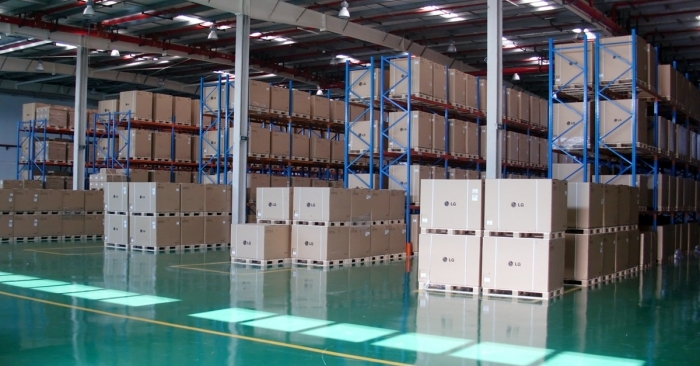
Setting up operations in a FTWZ does demand businesses to comply with specific standards and regulations, but these are often less onerous than in other locations. Firms must stay updated about developments in international treaties and local regulations, ensuring that they consistently meet legal standards. By doing so, they not only protect their operational benefits but also build a brand image for trustworthiness and adherence to laws, paving the way for long-term success.
Logistics and Operational Effectiveness
Effective logistics is a key element of effective operations within a Free Trade Warehousing Zone. Companies experience enhanced supply chain processes that minimize holdups and reduce transit times. By placing themselves in these zones, companies can strategically manage inventory levels, optimize storage solutions, and enable faster distribution to international markets. This operational agility allows companies to respond promptly to market demands, improving their market position.
The framework designed within Free Trade Warehousing Zones is customized to support advanced logistics solutions. Features such as cutting-edge storage facilities, integrated transportation networks, and proximity to major ports significantly boost operational capabilities. These zones provide essential services such as customs clearance, which simplifies compliance and accelerating goods movement. As a consequence, companies can enjoy seamless import and export operations, significantly improving their efficiency.
Moreover, the cost savings associated with operating in a Free Trade Warehousing Zone contribute to overall operational efficiency. By leveraging tax benefits and reduced tariffs, businesses can decrease their overheads and allocate those savings into expanding their core operations. This cost-effective model not only drives profitability but also attracts investment opportunities, further enhancing the overall economic landscape of the area.