

Amidst an increasingly interconnected global economy, companies are constantly seeking innovative ways to enhance their operations and expand the market reach. One of the most transformative developments in this landscape is the rise of Free Trade Warehousing Zones. These specialized areas act as dynamic hubs for international trade, offering businesses various advantages that significantly change the manner they operate. By providing a platform that facilitates the seamless transportation of goods across borders, Free Trade Warehousing Zones pave the way for enhanced efficiency and profitability in commerce.
As companies search for strategies to optimize logistics, minimize costs, and comply with international regulations, these zones provide compelling answers. From tax incentives to simplified customs procedures, the benefits of setting up a presence in a Free Trade Warehousing Zone are undeniable. For import and export companies, e-commerce businesses, and even organizations involved in manufacturing and distribution, the strategic advantages are obvious. This article explores the multifaceted world of Free Trade Warehousing Zones, discussing their key features, regulatory frameworks, and the future of international trade in this evolving landscape.
Benefits of Free Trade Warehousing Zones
Free trade warehousing zones offer significant benefits to companies involved in global trade. One of the primary advantages is the decrease of tariffs and duties on goods stored within these zones. Companies can import products, store them avoiding customs duties, and only pay tariffs when the goods are eventually sold in the domestic market. This leads to better cash flow and financial agility, enabling firms to manage inventory more efficiently.
Another key benefit is the efficient customs procedures associated with free trade warehousing zones. Companies can enjoy quicker clearance times and reduced regulatory burdens, which can greatly improve supply chain efficiency. This advantageous environment allows businesses to respond more quickly to market demands and shortens the time goods spend in transit. As a result, firms can maintain a market advantage by being more responsive.
In conclusion, companies that operate within free trade warehousing zones can take benefit from enhanced logistics solutions. These zones are designed to enable seamless transportation and distribution, making them attractive locations for import and export activities. With state-of-the-art warehousing infrastructure and proximity to important transportation hubs, businesses can achieve maximum operational efficiency, ensuring that products reach their destinations on time and at a lower cost.
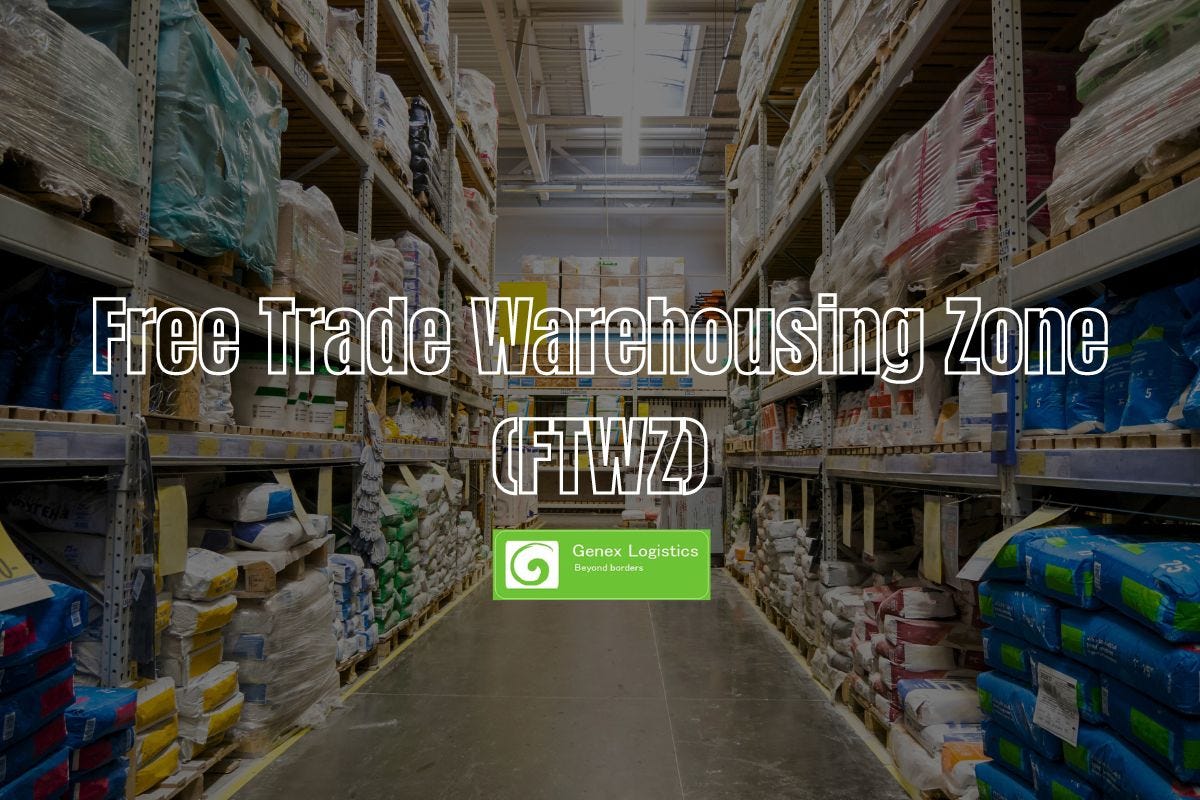
Key Features and Compliance
FTWZs offer various distinctive features that boost their attractiveness for companies engaged in cross-border trade. One of the key aspects is the ability to store, process goods avoiding the customs duties and taxes usually imposed on imports. This facilitates smoother logistics and inventory management, as companies can leverage flexible storage options and optimize their supply chains. Moreover, many Free Trade Warehousing Zones are located near significant transportation hubs, giving easy access to primary markets and reducing shipping times.
Compliance is a crucial factor in conducting business within a Free Trade Warehousing Zone. Companies must follow particular regulations set by regulatory authorities, which include customs laws, health and safety standards, and appropriate reporting procedures. Ensuring custom bonded warehouse enables avoid potential fines and operational disruptions but also fosters trust with partners and customers. Organizations often gain from hiring consultants to manage these regulations efficiently and maintain the legitimacy of their business activities.
Another significant feature is the extensive logistics solutions available within these zones, aimed at enhancing supply chain efficiency. Businesses can employ cutting-edge technologies and services that enhance operations, from inventory tracking to distribution. Moreover, the collaboration with local authorities and customs brokers can significantly expedite the customs procedures related to imports and exports, thus contributing to quicker turnaround times and enhanced overall performance in cross-border business efforts.
ftwz free-trade-warehouse">Emerging Developments in FTWZ
As worldwide trade continues to progress, the importance of Free Trade Warehousing Zones is becoming more important. These zones are expected to utilize cutting-edge technologies such as automation and artificial intelligence to enhance processes. Businesses are beginning to embrace automated warehousing solutions that enhance efficiency and minimize delays, making it more straightforward for goods to transit rapidly through the distribution chain. This trend will improve inventory management and logistics capabilities, ultimately boosting competitive edge in the world economy.
Environmental responsibility is yet another key trend molding the outlook of FTWZs. As environmental concerns escalate, regulations are growing more stringent, and companies are seeking to adopt more sustainable practices. Free trade warehousing zones are expected to embrace eco-friendly technologies and operations, such as low-energy buildings and renewable energy sources. This change not only contributes with world sustainability goals but also caters to the growing consumer demand for environmentally conscious business practices.
Lastly, the rise of online shopping is influencing FTWZ strategies substantially. With the surge in online shopping, retailers are ever reliant on optimized warehousing solutions to administer their inventory and fulfill orders quickly. Free trade warehousing zones are set to play a essential role in supporting e-commerce companies by providing them with the necessary infrastructure and logistics solutions to enhance their reach and service quality. This focus on addressing the needs of e-commerce enterprises will potentially drive further investments and innovations within FTWZs, making them crucial for the future of international commerce.